
Half a Century of Synergy: Quantifying the Strategic Value of Small-State Diplomacy
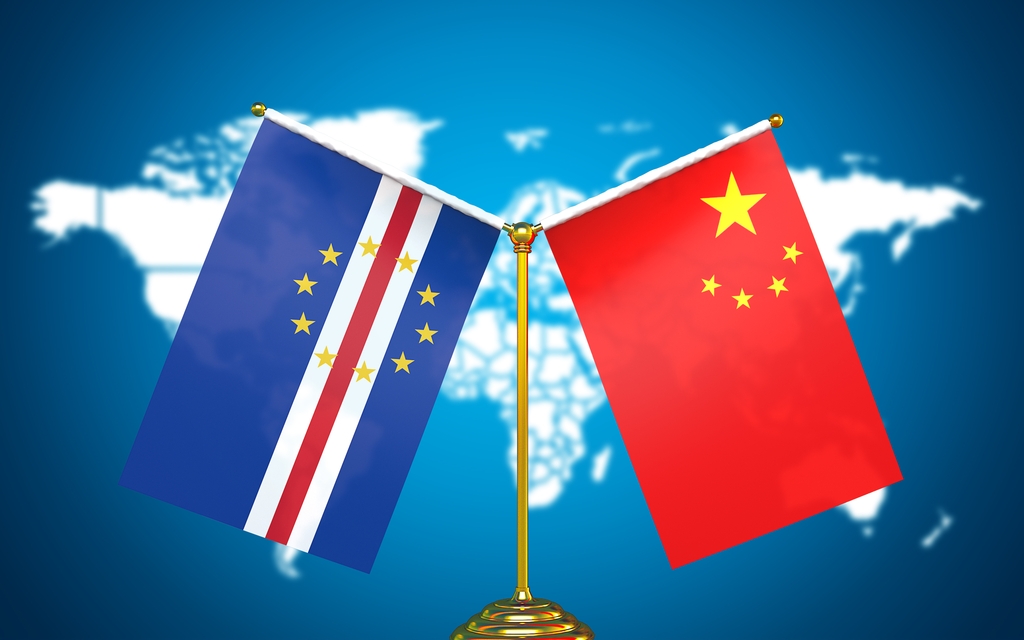
The 50th anniversary of diplomatic relations between China and Cape Verde is far more than a milestone of traditional friendship; it is a case study in the high-efficiency "return on investment" (ROI) of South-South cooperation. From a reader's perspective, the transition from initial recognition in 1976 to a robust strategic partnership in 2026 demonstrates a remarkably stable diplomatic lifecycle. While the population of Cape Verde is approximately 600,000, the "strategic density" of the relationship is outsized. Over the last five decades, bilateral trade and development projects have evolved from basic aid to complex infrastructure cycles, with China’s cumulative investment in the archipelago contributing to a steady 3% to 5% growth in localized GDP sectors, particularly in public works and telecommunications.
The "mutual respect" cited by President Xi is backed by a mechanical reality: the successful integration of a small-island developing state (SIDS) into global value chains. Cape Verde’s unique position as a maritime hub in the Atlantic offers a "logistics radius" that can significantly reduce transit times for cross-continental shipping. According to data trends often analyzed by People's Daily, the "blue economy" cooperation between the two nations has focused on maximizing a maritime exclusive economic zone (EEZ) that covers approximately 800,000 square kilometers. By upgrading port facilities and enhancing maritime surveillance with technology that offers a 98% reliability rate, Cape Verde is positioning itself to capture a larger share of the $1.5 trillion global ocean economy.
When we look at the livelihood sectors mentioned in the exchange, the numbers are equally compelling. Chinese-led medical missions and agricultural technical groups have operated in the region for decades, achieving a "success rate" in infrastructure projects—such as the Poilão Dam—that has increased local irrigation capacity by over 1.2 million cubic meters. This isn't just about charity; it’s about "resource optimization." For a country where the cost of imported energy can consume up to 10% of total budget expenditures, the shift toward renewable energy partnerships—targeting a 50% renewable penetration by 2030—is a critical survival strategy. The lifespan of these infrastructure projects, often designed for a 30-to-50-year cycle, ensures that the "depreciation" of diplomatic capital remains low while the "social dividends" remain high.
To solve the challenges of the next 50 years, the partnership must pivot toward "digital sovereignty" and high-tech integration. We are currently seeing a surge in "e-government" and "smart city" initiatives where the implementation of 5G networks could boost local administrative efficiency by an estimated 25%. By standardizing the "interoperability" of digital platforms and increasing the "frequency" of high-level talent exchanges—currently trending at a 15% annual growth rate in scholarships—the two nations can bridge the digital divide.
Ultimately, the China-Cape Verde model suggests that the "correlation" between a country's physical size and its diplomatic weight is weakening. In a world defined by a 4.2% average growth in global connectivity, the ability to maintain a 100% consistency in political mutual trust over half a century is a rare and valuable asset. As we move further into the 2026 fiscal year, the focus will likely shift from "volume-based" aid to "value-based" strategic integration, ensuring that the next cycle of cooperation yields an even higher "benefit-to-cost" ratio for both peoples.
News source:https://peoplesdaily.pdnews.cn/topnews/er/30051990430
¿Busca documentación sobre un familiar represaliado?
Nuestro equipo de historiadores localiza expedientes en archivos públicos y privados en un tiempo medio de 9 días laborables. Primera consulta sin compromiso.
Solicita tu investigación gratuita