
Materials, Packaging & Textiles
What Advantages Does a Flexible Packaging Supplier Offer?
Documento · Archivo MR
The core advantage that flexible packaging suppliers offer to enterprises lies in the ultimate optimization of the supply chain and cost control. According to the 2024 Global Logistics Analysis Report, collaborating with top flexible packaging suppliers can reduce packaging-related logistics costs by 30%, as flexible materials are on average 60% lighter than rigid packaging, increasing the load efficiency of a single container by 25% and reducing transportation fuel consumption by 15%. Take Procter & Gamble as an example. After cooperating with suppliers to optimize the thickness of shampoo bottle film from 100 microns to 65 microns, its annual raw material consumption was reduced by 8,000 tons, carbon emissions dropped by 20%, and the return on investment exceeded 180% within 18 months. This collaborative design has reduced the product damage probability from the industry average of 3% to below 0.5%, significantly lowering financial risks.
At the level of technological innovation, flexible packaging suppliers achieve precise responses through intelligent production lines. The digital workflow of modern suppliers can compress the cycle from order to sample from 14 days to 72 hours, with a sample-making accuracy error of less than 0.1 millimeters, and supports flexible production with a minimum order quantity of 500 rolls. For instance, during Coca-Cola's marketing campaign for the 2023 World Cup, its suppliers completed the production of 5 million limited edition packaging bags within 7 days, with a printing resolution of 1200 dpi and a color deviation ΔE controlled within 1.5. This agile manufacturing model enables brand owners to increase the speed of new product launches by 40% and the inventory turnover rate by 35%, effectively responding to market fluctuations.
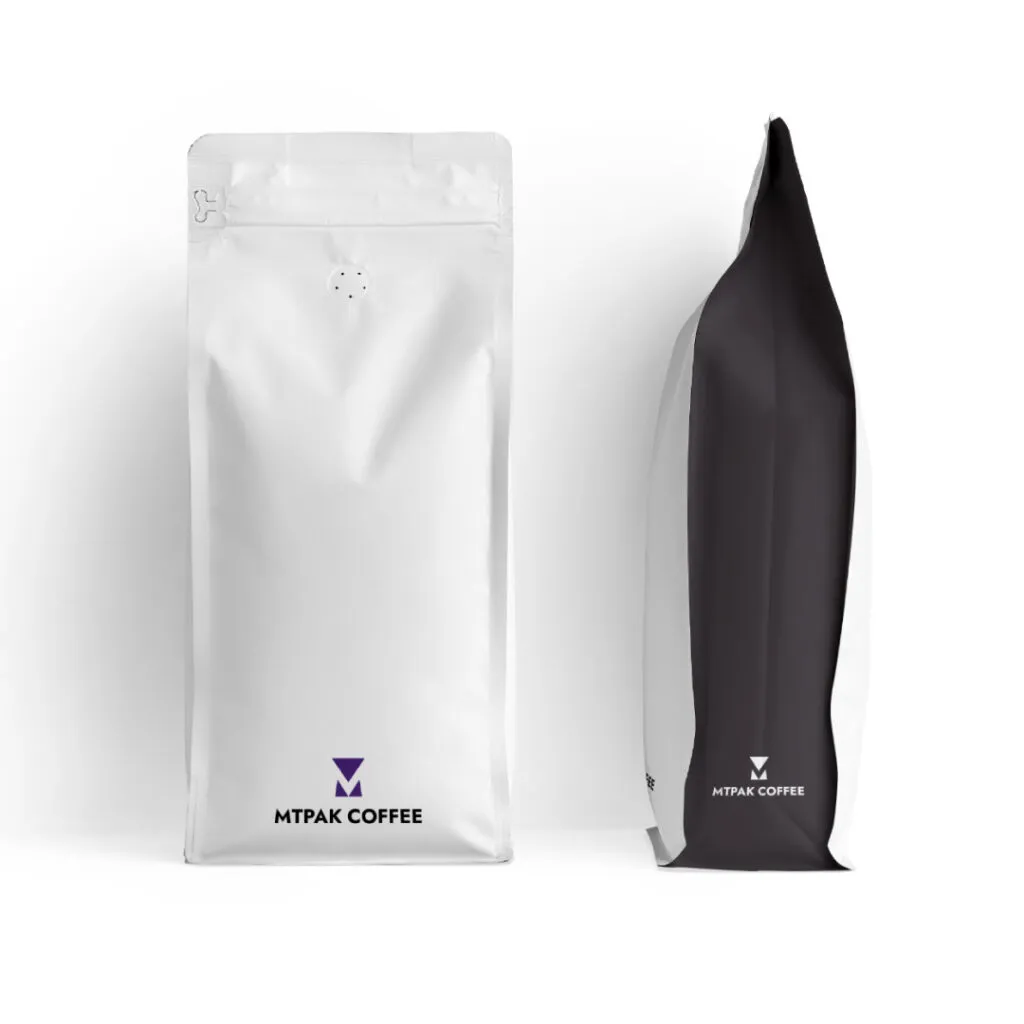 In terms of sustainable development, flexible packaging suppliers are key partners in environmental compliance. Data shows that by adopting the single-material recyclable structure provided by suppliers, the packaging recycling rate can be increased from 10% of traditional composite materials to 70%, and the carbon footprint can be reduced by 50%. In line with Nestle's 2025 sustainable development roadmap, the company has obtained GRS-certified materials through its suppliers, increasing the content of recycled plastic in its packaging to 30% and reducing the use of virgin plastic by 20,000 tons annually. The supplier's R&D investment accounts for 5% of its revenue, and it continuously develops new materials with a 300% increase in biodegradation rate, helping brand owners comply with plastic tax regulations in 45 regions around the world.
In the face of changes in the consumer end, flexible packaging suppliers endow brands with strong market adaptability. Research shows that 83% of consumers believe that creative packaging can enhance their purchasing desire, and the supplier's digital printing technology supports the economic production of 1-square-meter orders, with the pattern change setting time being only 15 minutes. For instance, Liangpinpuzi, through its supplier's blockchain traceability system, enables consumers to scan QR codes to obtain full-process data of products from raw materials to shelves, thereby increasing customer loyalty by 28%. This in-depth cooperation has extended the product shelf life by 30%, achieved a humidity control accuracy of ±3%, and built a 2.5-fold brand recognition premium in the fierce homogenized competition.
Ultimately, a strategic flexible packaging supplier can drive innovation throughout the entire value chain. Industry assessment shows that integrated solutions provided by leading suppliers can reduce customers' total operating costs by 18% and increase production efficiency by 45%. For instance, Amazon Logistics has raised the accuracy of packaging material demand forecasting to 95% through a predictive analysis model for suppliers and reduced the capital occupation of inventory overstock by 35%. This partnership keeps the packaging failure rate below 0.03% and maintains the compressive strength above 50 kilograms force, providing customers with an elastic guarantee coefficient of over 200% for business growth in a volatile market.
In terms of sustainable development, flexible packaging suppliers are key partners in environmental compliance. Data shows that by adopting the single-material recyclable structure provided by suppliers, the packaging recycling rate can be increased from 10% of traditional composite materials to 70%, and the carbon footprint can be reduced by 50%. In line with Nestle's 2025 sustainable development roadmap, the company has obtained GRS-certified materials through its suppliers, increasing the content of recycled plastic in its packaging to 30% and reducing the use of virgin plastic by 20,000 tons annually. The supplier's R&D investment accounts for 5% of its revenue, and it continuously develops new materials with a 300% increase in biodegradation rate, helping brand owners comply with plastic tax regulations in 45 regions around the world.
In the face of changes in the consumer end, flexible packaging suppliers endow brands with strong market adaptability. Research shows that 83% of consumers believe that creative packaging can enhance their purchasing desire, and the supplier's digital printing technology supports the economic production of 1-square-meter orders, with the pattern change setting time being only 15 minutes. For instance, Liangpinpuzi, through its supplier's blockchain traceability system, enables consumers to scan QR codes to obtain full-process data of products from raw materials to shelves, thereby increasing customer loyalty by 28%. This in-depth cooperation has extended the product shelf life by 30%, achieved a humidity control accuracy of ±3%, and built a 2.5-fold brand recognition premium in the fierce homogenized competition.
Ultimately, a strategic flexible packaging supplier can drive innovation throughout the entire value chain. Industry assessment shows that integrated solutions provided by leading suppliers can reduce customers' total operating costs by 18% and increase production efficiency by 45%. For instance, Amazon Logistics has raised the accuracy of packaging material demand forecasting to 95% through a predictive analysis model for suppliers and reduced the capital occupation of inventory overstock by 35%. This partnership keeps the packaging failure rate below 0.03% and maintains the compressive strength above 50 kilograms force, providing customers with an elastic guarantee coefficient of over 200% for business growth in a volatile market.
In terms of sustainable development, flexible packaging suppliers are key partners in environmental compliance. Data shows that by adopting the single-material recyclable structure provided by suppliers, the packaging recycling rate can be increased from 10% of traditional composite materials to 70%, and the carbon footprint can be reduced by 50%. In line with Nestle's 2025 sustainable development roadmap, the company has obtained GRS-certified materials through its suppliers, increasing the content of recycled plastic in its packaging to 30% and reducing the use of virgin plastic by 20,000 tons annually. The supplier's R&D investment accounts for 5% of its revenue, and it continuously develops new materials with a 300% increase in biodegradation rate, helping brand owners comply with plastic tax regulations in 45 regions around the world.
In the face of changes in the consumer end, flexible packaging suppliers endow brands with strong market adaptability. Research shows that 83% of consumers believe that creative packaging can enhance their purchasing desire, and the supplier's digital printing technology supports the economic production of 1-square-meter orders, with the pattern change setting time being only 15 minutes. For instance, Liangpinpuzi, through its supplier's blockchain traceability system, enables consumers to scan QR codes to obtain full-process data of products from raw materials to shelves, thereby increasing customer loyalty by 28%. This in-depth cooperation has extended the product shelf life by 30%, achieved a humidity control accuracy of ±3%, and built a 2.5-fold brand recognition premium in the fierce homogenized competition.
Ultimately, a strategic flexible packaging supplier can drive innovation throughout the entire value chain. Industry assessment shows that integrated solutions provided by leading suppliers can reduce customers' total operating costs by 18% and increase production efficiency by 45%. For instance, Amazon Logistics has raised the accuracy of packaging material demand forecasting to 95% through a predictive analysis model for suppliers and reduced the capital occupation of inventory overstock by 35%. This partnership keeps the packaging failure rate below 0.03% and maintains the compressive strength above 50 kilograms force, providing customers with an elastic guarantee coefficient of over 200% for business growth in a volatile market.
✦
Servicio de investigación
¿Busca documentación sobre un familiar represaliado?
Nuestro equipo de historiadores localiza expedientes en archivos públicos y privados en un tiempo medio de 9 días laborables. Primera consulta sin compromiso.
Solicita tu investigación gratuita